
Pet Insurance 101: A Smart Owner's Guide to Protecting Your Furry Family (2024)
Did you know? 1 in 3 pets will need emergency vet care this year, and the average cost of surgery can reach $5,000. Without insurance, many pet owners face heartbreaking financial decisions.
This guide will help you:
✔ Choose the right coverage without overpaying
✔ Avoid costly exclusions that leave you unprotected
✔ Save up to 40% with little-known discounts
Why Pet Insurance is Worth Every Penny
The Shocking Cost of Pet Healthcare
| Treatment | Average Cost Without Insurance |
|---|---|
| Broken Bone Repair | $1,500–$4,000 |
| Cancer Treatment | $5,000–$15,000 |
| Emergency Foreign Body Removal | $2,000–$6,000 |
| Annual Dental Cleaning | $300–$800 |
Real-Life Case:
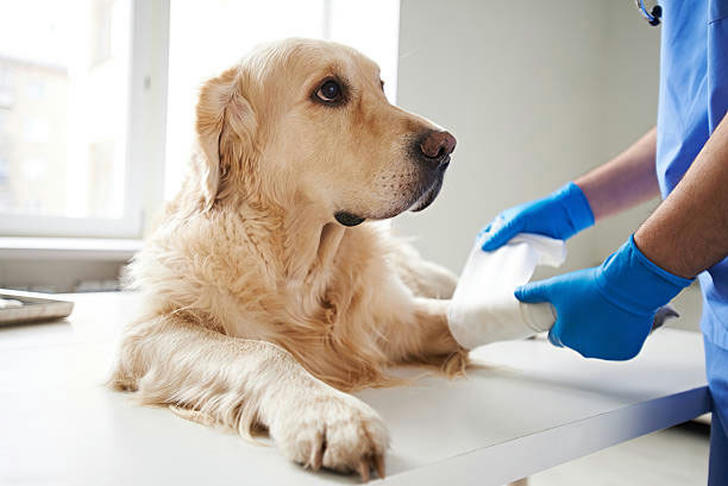
When Max, a 4-year-old Golden Retriever, swallowed a toy, his surgery cost $4,200. His owner, Sarah, had $5,000 annual coverage with a $250 deductible – her out-of-pocket cost was just $250. Without insurance, she would’ve drained her savings.
How Pet Insurance Works (The Fine Print You Must Know)
3 Main Types of Coverage
| Type | What It Covers | Best For | Avg. Monthly Cost |
|---|---|---|---|
| Accident & Illness | Emergencies, diseases, surgeries | Most pet owners | $30–$50 (dogs), $20–$30 (cats) |
| Accident-Only | Injuries (broken bones, poisoning) | Budget-conscious owners | $10–$20 |
| Wellness Plans | Routine care (vaccines, check-ups) | Puppies/kittens or older pets | $15–$30 |
Key Terms Explained:
- Deductible: What you pay before coverage kicks in ($100–$1,000/year)
- Reimbursement Rate: % of bills covered (70%–90%)
- Annual Limit: Max payout per year ($5,000–$30,000)
5 Pet Insurance Traps to Avoid
🚩 Pre-Existing Condition Exclusions
- Example: If your dog had allergies before enrollment, no insurer will cover them.
🚩 Breed-Specific Limits
- German Shepherds, Bulldogs, and Maine Coons often have higher premiums.
🚩 Age Restrictions
- Enroll before age 6 for best rates – after 10, options shrink.
🚩 "Per-Incident" Deductibles
- Some plans make you pay a deductible for each new illness.
🚩 Low Annual Payout Caps
- A $5,000 limit won’t cover cancer treatment ($15,000+).

How to Pick the Best Plan (Step-by-Step)
1. Start Early
- Premiums rise 10–15% annually as pets age.
- Puppies & kittens get the best rates.
2. Compare Top Providers
| Provider | Best For | Avg. Cost (Dog) | Waiting Period |
|---|---|---|---|
| Healthy Paws | Comprehensive coverage | $40/month | 15 days (injuries), 12 months (hips) |
| Trupanion | Lifetime conditions | $50/month | 5 days (injuries) |
| Lemonade | Fast claims | $35/month | 2 days (injuries) |
| Pets Best | Budget plans | $25/month | 3 days (injuries) |
3. Calculate Your True Costs
Formula:
(Annual Premium + Deductible) vs. Your Pet’s Likely Medical Bills
Example:
- Annual Premium: $450
- Deductible: $250
- Likely Yearly Vet Bills: $1,200
→ Savings = $1,200 – ($450 + $250) = $500
4. Check Vet Network Restrictions
- Some insurers (like Banfield) only cover in-network vets.
- Others (Trupanion, Healthy Paws) let you visit any licensed vet.
5. Read Reviews on Claims
- Look at BBB ratings and Reddit pet owner threads.
3 Ways to Save on Pet Insurance
1. Multi-Pet Discounts (5–10% off)
- Insure all pets with one provider.
2. Annual Payment (Save ~5%)
- Avoid monthly service fees.
3. Higher Deductibles (Lower Premiums)
- A $500 deductible vs. $250 can cut costs 20%.
When Is Pet Insurance NOT Worth It?
✔ You have significant savings ($10,000+ for emergencies)
✔ Your pet is very old (limited coverage options)
✔ You only want routine care (wellness plans may not save money)
Alternative: Self-insure by putting $50–$100/month into a dedicated savings account.

Final Checklist Before Enrolling
✅ Compare at least 3 quotes ✅ Verify coverage for hereditary conditions (important for purebreds)
✅ Check waiting periods (some take 6–12 months for hip dysplasia)
✅ Ask about direct vet payments (few insurers offer this)
Need Help? Ask your vet which insurers they recommend – they see which companies pay claims fastest.